We talk a lot about listening to students, but what does it really look like to design programming with them?
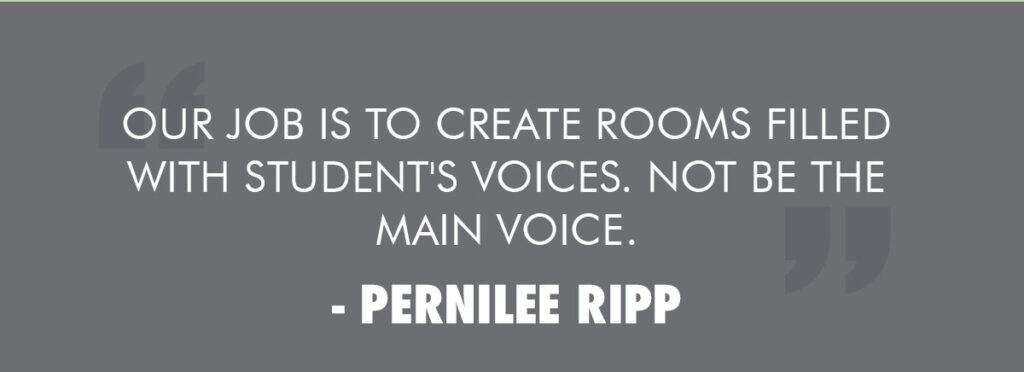
This month, we’re focusing on Participatory Design, a powerful approach that invites students to actively shape the activities and programs meant for them. When young people are treated as partners rather than participants, engagement deepens and programs become more relevant and effective. Participatory design helps move student input from something we collect to something we actually use.
Let’s build the skill together!
Build the Skill:
Participatory Design

- Multiple Feedback Channels Create more than one way for students to share input. Leverage surveys, focus groups, and advisory councils, so all voices can be heard. Rotate formats throughout the year and share back what you learned and what actions will be taken. Closing the loop builds trust and keeps feedback meaningful.
- Real Decision-Making Roles Move beyond asking for opinions by giving students defined roles in program planning. Invite students to co-design activities, review program ideas, or help set priorities. Clearly name which decisions students influence so their participation feels purposeful, not performative.
- Fair Compensation for Student Designers Treat student input as expertise. When students contribute to design processes, compensate them through stipends, gift cards, service hours, or leadership credits. This signals respect for their time and reinforces that their contributions matter.

- Tokenizing Student Voice Avoid collecting student feedback without a plan to act on it. If ideas can’t be implemented, explain why and identify what can change. Authentic participation requires transparency and follow-through.
- Surface-Level Engagement Limiting student voice to quick surveys or suggestion boxes misses the opportunity for deeper collaboration. Build in time for dialogue, reflection, and shared problem-solving so students help shape solutions—not just react to them.

Meaningful Student Involvement Guide – SoundOut.org
A practical, research-informed guide that outlines levels of student participation and offers tools for moving from listening to partnership. Use it to assess where your program is now and identify concrete steps toward deeper student engagement.