

We talk a lot about listening to students, but what does it really look like to design programming with them? This month, we’re focusing on Participatory Design, a powerful approach that invites students to actively…
Posts TaggedYouth Development Professional

Communication & Instructional Design
We’re kicking off the year with a focus on clear directions as a catalyst for stronger communication and better outcomes. This edition highlights Communication & Instructional Design, providing practical tools and strategies to help you…
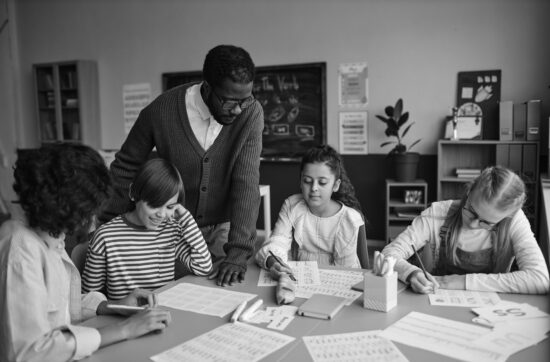
Classroom Routine and Procedures
When expectations are consistent and practiced together, students lead the way, and the classroom becomes a space where engagement feels natural and active. This edition is about strengthening those everyday systems so your classroom works…

Collaborative Program Design
Engaged students aren’t just participants—they’re partners. This month, we’re diving into Collaborative Program Design, a skill that transforms programs from being for youth to being with youth. By inviting students to co-create learning experiences, we…

Community Building and Group Management
A safe space isn’t built by rules, it’s built by relationships. This month we’re diving into strategies that help youth co-create community, manage conflict with care, and feel a true sense of belonging. This edition…

Build the Skill: Active Listening to Youth Input
We all know that when young people have a voice, they have more buy-in, growth, and impact. But how often do we truly listen—beyond the surface—to what they’re telling us? This month, we’re diving into…

Build the Skill: Inquiry-Based Facilitation
To all our peers committed to sparking youth curiosity and igniting engagement, we see you. Inside this issue, you’ll find valuable notes for Inquiry-Based Facilitation, an educational approach that encourages young learners to actively explore,…

Build the Skill: Motivating Learners
As you hit your stride in summer programming, you see your students more connected and engaged. Motivating young learners is a crucial component of high-quality youth development programming. As we prepare for our upcoming CAT visits with The Children’s Trust team, let’s build the skills together!

Build the Skill: Giving Clear Directions
Let’s Build the Skill: Giving Clear Directions. Now’s the time to ensure consistent routines, reinforce high expectations, and clear policies and procedures. Clear directions are essential in our teacher toolkit to ensure youth are supported with structure and clarity.

Build the Skill: De-escalation Techniques
Let’s Build the Skill: De-escalation Techniques.
We’ve all been there—those challenging moments with young people where emotions take over. Escalating emotions can cause a fight-or-flight reaction. No fear! A little advanced planning can help you avoid relying on reactive strategies or punitive measures in favor of instructive and inclusive approaches.