SkillBuild Powered by Breakthrough

BUILD UP your skills. LEVEL UP your expertise. ELEVATE your potential.
Live & Virtual Trainings
Dynamic, instructor-led sessions that dive deep into the skills and strategies youth development professionals need most.
Real-Time Learning. Real-World Impact.
Learn, connect, and grow with others who share your passion for youth development.
Join a scheduled training to sharpen your skills alongside a network of peers, or schedule a custom session tailored specifically for your team’s needs. Whether in-person or online, every training is designed to be interactive, practical, and immediately applicable—so you can turn new strategies into real-world success.
Engage. Practice. Grow.
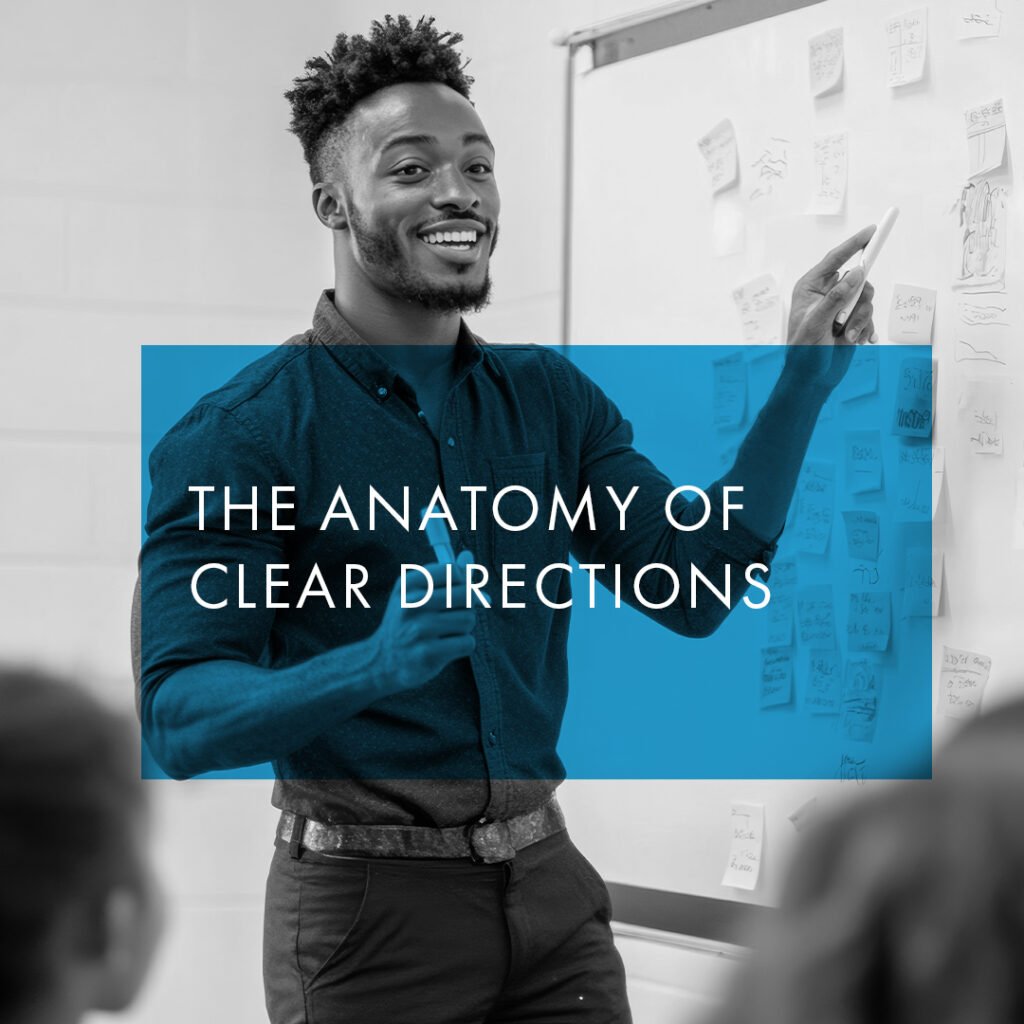
The Anatomy of Clear Directions
Next Class: Tuesday, September 1, 2026
Past Training: January 20, 2026
Clear, effective directions are the foundation of successful youth programming. When instructions are vague or incomplete, time is wasted, frustration grows, and young people disengage. This training equips youth development professionals with practical strategies to deliver directions that are precise, inclusive, and engaging — helping programs run smoothly and scholars thrive.
- Craft Precise Instructions: Use clear, actionable language to avoid confusion
- Structure for Success: Deliver directions in a logical, easy-to-follow sequence
- Adapt for Diverse Learners: Adjust detail and approach to meet varied needs
- Check for Understanding: Apply simple techniques to ensure directions stick
- Use Visual Supports: Reinforce verbal directions with models, visuals, and tools
This training advances and aligns with the following Social & Emotional Learning Program Quality Assessment (SEL-PQA) Domains: Safe Environment, and Supportive Environment
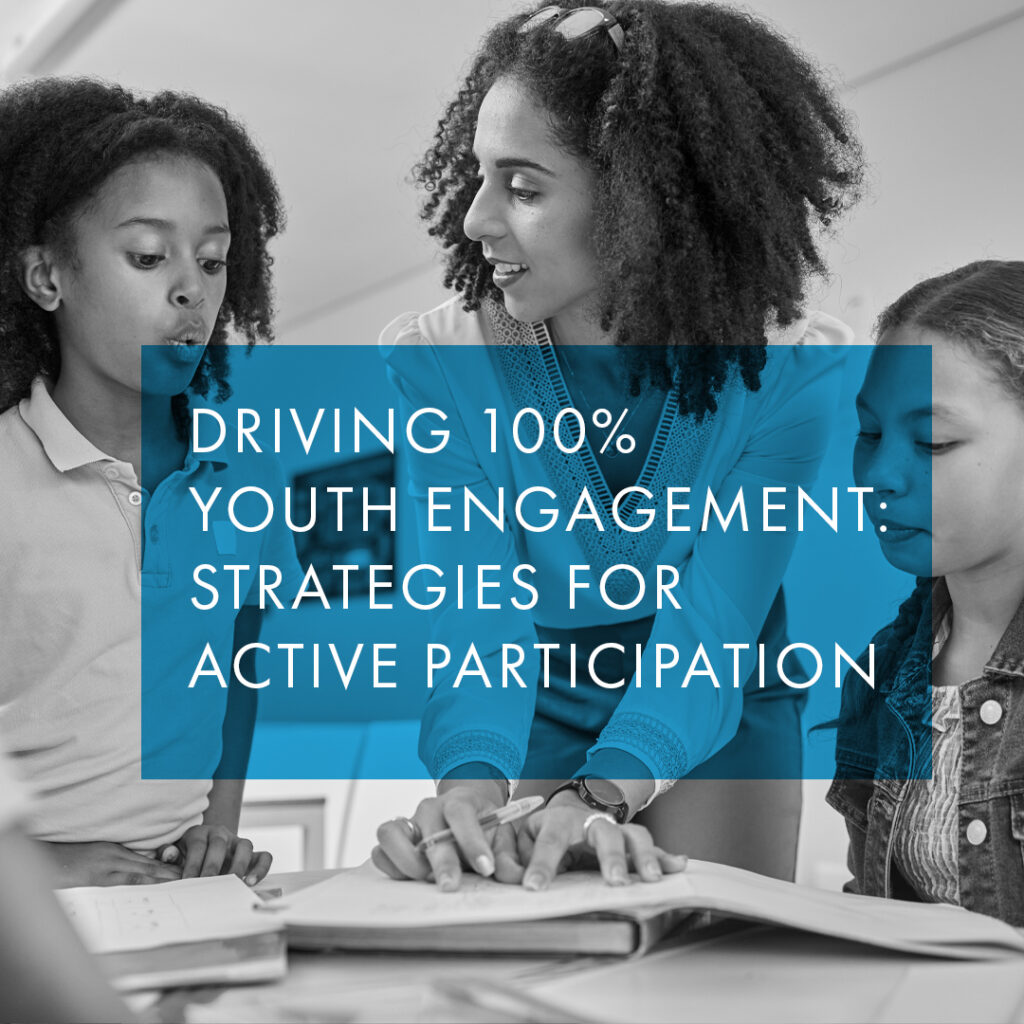
Driving 100% Youth Engagement: Strategies for Active Participation
Next Class: Tuesday, September 15, 2026
Past Trainings: May 19, 2026
This session dives into best practices for achieving active participation and full engagement from youth. Participants will explore tools and techniques to design high-energy activities that amplify youth voice and cater to diverse learning styles.
- Core Principles of Engagement: Understand the foundations of active participation in youth development.
- Designing Engaging Activities: Learn strategies to craft dynamic, inclusive activities that address various learning preferences.
- Hands-On Practice: Participate in exercises to apply engagement techniques in real-world scenarios.
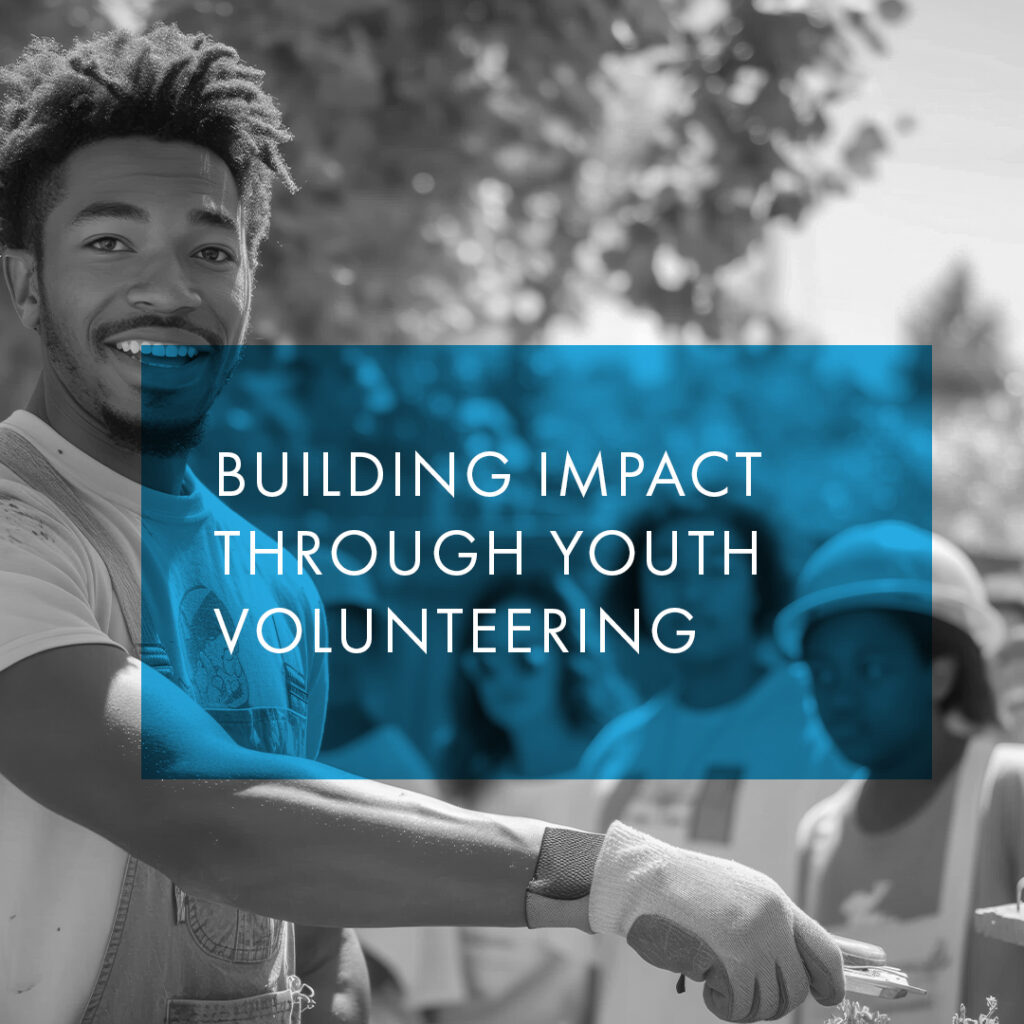
Building Impact Through Youth Volunteering
Next Class: TBD
Past Training: March 17, 2026, June 9, 2026
This training equips youth development professionals to develop, launch, and optimize volunteer initiatives that engage youth in meaningful community service. Learn strategies for recruitment, project planning, partnerships, and impact assessment.
- Volunteer Program Development: Gain tools to build a successful youth volunteer program from the ground up.
- Strategies for Improvement: Discover methods to enhance volunteer engagement, foster partnerships, and measure program success.
- Understanding Volunteer Impact: Explore the dual benefits of volunteering for youth participants and their communities.
Data Driven Program Improvement
Next Class: TBA
Past Training: February 17, 2026, July 21, 2026
This session equips youth development professionals with practical strategies to use data as a catalyst for stronger programs and measurable impact. Participants will explore how to gather and interpret meaningful information to guide decisions, improve youth outcomes, and tell compelling stories of success.
- Identifying Key Metrics: Learn how to pinpoint the most relevant data sources and metrics for afterschool and summer youth programs.
- Collecting & Analyzing Data: Practice using surveys, observations, and youth feedback to collect ongoing, non-intrusive data and apply analysis techniques that inform program decisions.
- Turning Insights into Action: Develop data-driven action plans to strengthen program quality, enhance staff training, and boost youth engagement and outcomes.
This training advances and aligns with the following Social & Emotional Learning Program Quality Assessment (SEL-PQA) Domains: Engaging Environment, Safe Environment, and Interactive Environment
Incorporating Student Voice into Program Design
Next Class: TBA
Past Trainings: Feb 3, 2026, July 7, 2026
This session emphasizes the value of integrating youth perspectives into program design to create more inclusive and engaging educational experiences. Participants will learn practical strategies for gathering and analyzing student feedback and discover how to use these insights to enhance program effectiveness and student engagement.
- Understanding the Importance of Youth Voice:Learn why incorporating youth input benefits both students and youth development workers, fostering stronger connections and outcomes.
- Strategies for Feedback Collection:Explore effective methods for gathering student feedback, including surveys, focus groups, and one-on-one interviews.
- Analyzing and Applying Feedback:Develop skills to interpret student input and apply it to program design and decision-making processes.
- Evaluating Impact:Learn how to assess the influence of student voice on program success and engagement.
- Tools for Inclusive Program Design:
This training advances and aligns with the following Social & Emotional Learning Program Quality Assessment (SEL-PQA) Domains: Creating Safe Spaces, Fostering Growth Mindset, Furthering Learning, Supporting Youth Interests, Supporting Plans and Goal

Building Positive Program Culture
Facilitated by Up2Us –
Next Class: TBD
Past Trainings: May 5, 2026
Teams with a strong and positive culture play a vital role in fostering a sense of connection and safety for young individuals. In this session, we delve into the four key actions that coaches can undertake to cultivate such a culture: implementing a behavior code, embracing positive traditions, offering opportunities for significance, and facilitating the development of meaningful friendships. By exploring these fundamental elements, coaches will discover how to create a robust team culture that effectively supports their broader programming efforts.
This course focuses on equipping coaches with the knowledge and skills necessary to build a positive team culture that empowers youth and enhances their overall experience. Through practical exercises and case studies, participants will develop the skills to implement behavior codes, establish positive traditions, provide meaningful opportunities, and foster friendships within their teams. Armed with these strategies, coaches will be better equipped to create an environment where young individuals can thrive, grow, and reach their full potential.
- Understanding the Importance of Team Culture: We will explore the impact of team culture on youth development and how we can create a sense of belonging and psychological safety.
- Establishing a Behavior Code: Gain practical skills to developing clear expectations and guidelines and how to create a shared culture of respect, inclusivity, and accountability.
- Embracing Positive Traditions: Cultivating rituals and routines that foster a sense of community is a powerful tool for high-performing programs.
- Providing Opportunities to Matter: Empowering youth by involving them in decision-making processes is critical. Learn how to recognize, elicit and value individual strengths and contributions to create a more impactful experience for all.
- Facilitating Meaningful Friendships: Build strategies for fostering connections and social support within the team. Learn creative new ways to promote empathy, teamwork, and cooperation.

Engaging and Refocusing
Next Class: TBD
Past Trainings: April 21, 2026
This training will equip you with effective strategies to keep students engaged and refocused during programs. Learn to identify different types of disengagement, explore causes, and practice practical techniques such as room scans, positive narration, and role shifts. Leave with actionable tools to create engaging environments and respond to disengagement in real time. Perfect for youth development professionals working with grades 6-12.
- Effective Engagement Strategies: Learn how to identify different types of disengagement and use targeted techniques to refocus attention and keep students involved.
- Practical Tools for Engagement: Explore a range of strategies like room scans, positive narration, and role shifts that you can implement immediately.
- Adaptable Approaches: Gain the skills to customize your engagement strategies to meet the unique needs of your students and program.
Managing Challenging Behavior
Facilitated by Up2Us –
Next Class: TBD
Past Trainings: Apr 7, 2026
Young people who benefit most from youth development programs are often those who exhibit visible behavior challenges. This session encourages youth development workers to view behavior as a skill that can be cultivated. Participants will leave with practical and evidence-based strategies and personalized takeaways to foster a supportive and empowering environment that helps youth navigate their behavioral journeys.
- Shifting Mindsets:Understand behavior as a skill that can be developed. Explore factors influencing behavior challenges and adopt a growth mindset for both youth development workers and youth.
- Leveraging Skill-Building Processes: Apply proven techniques from sports and life skills to guide behavior change. Learn effective behavior-focused interventions and activities.
- Reflection and Personalized Takeaways:Engage in self-reflection to identify growth areas as a youth development worker. Discover ways to implement tailored behavior interventions for youth./li>
- Fostering a Supportive Environment: Deepen your ability to create a safe, empowering space where young people can thrive.
This training advances and aligns with the following Social & Emotional Learning Program Quality Assessment (SEL-PQA) Domains: Creating Safe Spaces, Emotion Coaching, Cultivating Empathy

Fostering Community Through Collaboration
Next Class: TBA
Past Trainings: March 3, 2026
This interactive session provides strategies for uniting youth through collaboration and team building. Learn to facilitate cooperative games, challenges, and projects that create inclusive environments and meaningful connections.
- Creating an Inclusive Environment: Develop techniques to promote teamwork and collaboration.
- Engaging Activities: Explore a variety of cooperative games and exercises that encourage connection and break down barriers.
- Customizable Frameworks: Learn to design team-building projects tailored to the unique needs of your group.
Establishing a Strong Teacher/Leader Presence
Next Class: TBA
Past Trainings: February 4, 2025, May 13, 2025, October 7, 2025
This session empowers youth development professionals to enhance their leadership presence. Participants will learn how to exude compassionate authority, build trust, and maintain energetic confidence that motivates and inspires youth.
- Understanding Leadership Presence: Learn the impact of a strong, positive presence on youth participation and engagement.
- Developing Key Traits: Hone skills in active listening, empathy, enthusiasm, and clear communication.
- Tailoring Your Approach: Practice strategies to adapt and refine your presence to foster trust and motivation among youth.

Trauma and the Brain 101
Facilitated by Up2Us
Next Class: TBA
Past Trainings: February 11, 2025, August 6, 2025
Understanding trauma and its effects is essential for youth development professionals working with young people. This session equips mentors with the knowledge and tools to recognize and respond to the hidden stories behind youth behavior, fostering healing and growth. Grounded in the latest research in psychology and neuroscience, this training emphasizes the importance of creating safe, supportive environments that empower youth to thrive.
- Introduction to Trauma-Informed Mentoring: Understand trauma’s impact on youth and the role mentors play in creating safe, supportive spaces.
- Recognizing Trauma in Youth: Learn to identify signs of trauma and differentiate trauma-related behaviors from typical responses.
- Building Rapport and Trust: Develop best practices for fostering empathy, active listening, and non-judgmental relationships.
- Creating Trauma-Informed Programming:Design activities that prioritize emotional safety and minimize retraumatization.
- Self-Care and Resilience for Youth Development Professionals:Build strategies to manage the effects of secondary trauma and maintain personal well-being.

In the Moment Teaching Strategies
Next Class: TBA
Past Training: November 4, 2025
This session builds educators’ capacity to think on their feet and adjust instruction seamlessly when the unexpected happens. Participants will practice making quick, effective teaching decisions that keep lessons on track, while staying responsive to student needs and behaviors in real time.
- Real-Time Instructional Decisions: Learn how to execute quick, informed adjustments that maintain lesson flow.
- Responsive Lesson Modifications: Explore techniques to adapt instruction on the spot to meet students’ changing needs and behaviors.
- Strategies to Maintain Engagement: Synthesize methods for sustaining a positive, productive learning climate even during unexpected challenges.
This training advances and aligns with the following Social & Emotional Learning Program Quality Assessment (SEL-PQA) Domains: Safe Environment, Engaging Environment, and Supportive Environment
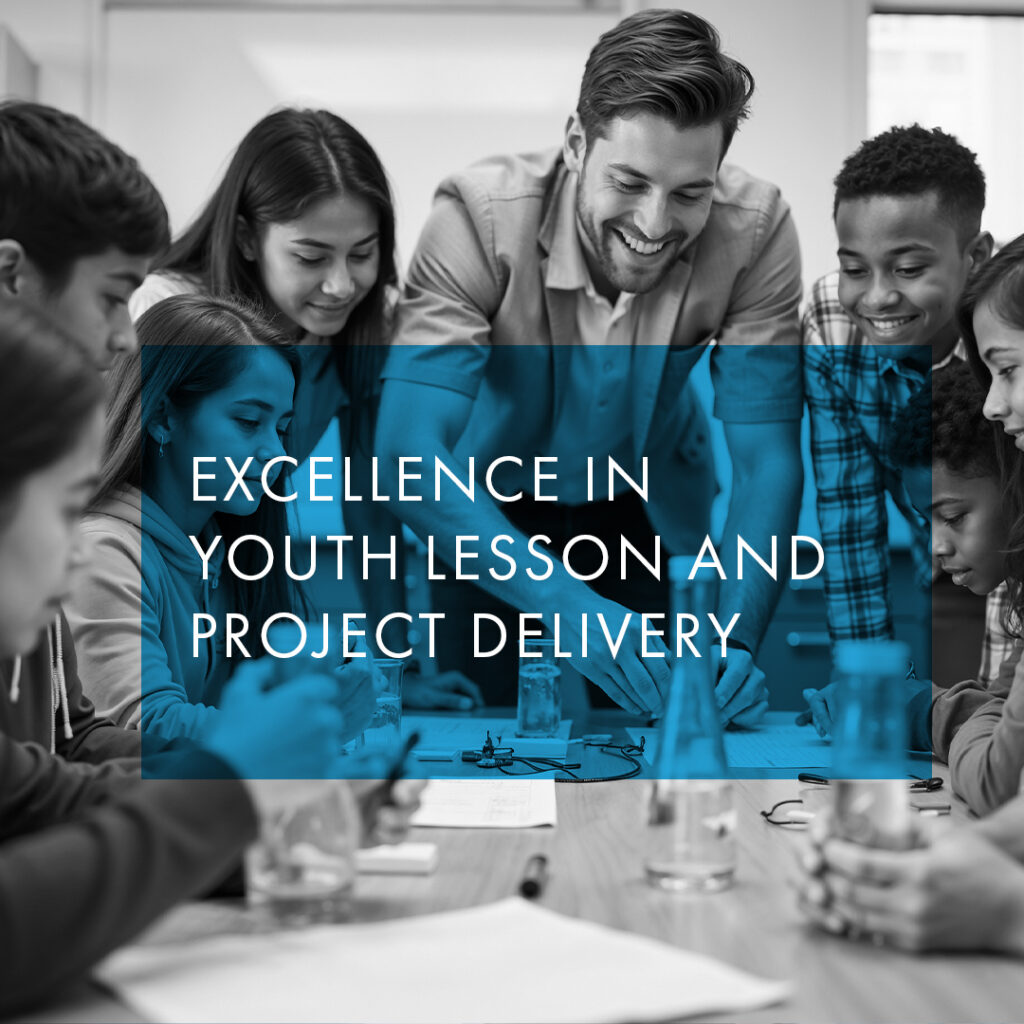
Excellence in Youth Lesson and Project Delivery
Next Class: TBA
Past Trainings: February 18, 2025, February 27, 2025, March 24, 2025, April 8, 2025, April 21, 2025, June 9, 2025, November 18, 2025
This session focuses on mastering the delivery of lessons, activities, and projects that captivate and inspire youth. By building foundational skills and exploring research-backed methods, participants will learn how to prepare, structure, and execute engaging experiences that foster both education and inspiration.
- Key Components of Quality Delivery: Understand the elements that contribute to impactful lesson and project delivery.
- Effective Planning Tools: Create checklists and strategies to design and deliver high-quality lessons and activities.
- Hands-On Practice: Participate in interactive exercises to refine preparation techniques and enhance youth engagement.
Introduction to Sports-Youth Development
Facilitated by Up2Us
Next Class: TBA
Past Training: May 2023
This engaging and highly interactive development session delves into the profound impact mentors and coaches can have on the youth they serve. Through this course, you will be introduced to the core competencies required to become exceptional coach-mentors, empowering you to make a lasting positive difference in the lives of young individuals.
- The Impact of Coach-Mentors: Explore the transformative role that coach-mentors play in shaping the lives of youth. Gain a deeper understanding of the significant influence you can have on their personal growth and development.
- Core Competencies: Discover the essential skills and competencies needed to excel as a coach-mentor. Learn effective strategies for building strong relationships, fostering resilience, and empowering youth to reach their full potential.
- Comprehensive Practice Planning: Expand your perspective on practice planning to benefit youth not only on the field but also in the classroom and throughout their lives. Discover innovative approaches and techniques to enhance their overall growth and success.
- Creating Trauma-Informed Programming: Designing activities and interventions that promote emotional safety. Implementing strategies to minimize retraumatization
- Interactive Learning Experience: Engage in interactive discussions, dynamic activities, and practical case studies that bring the concepts to life. Collaborate with fellow participants, sharing insights and experiences to deepen your understanding and learning.
